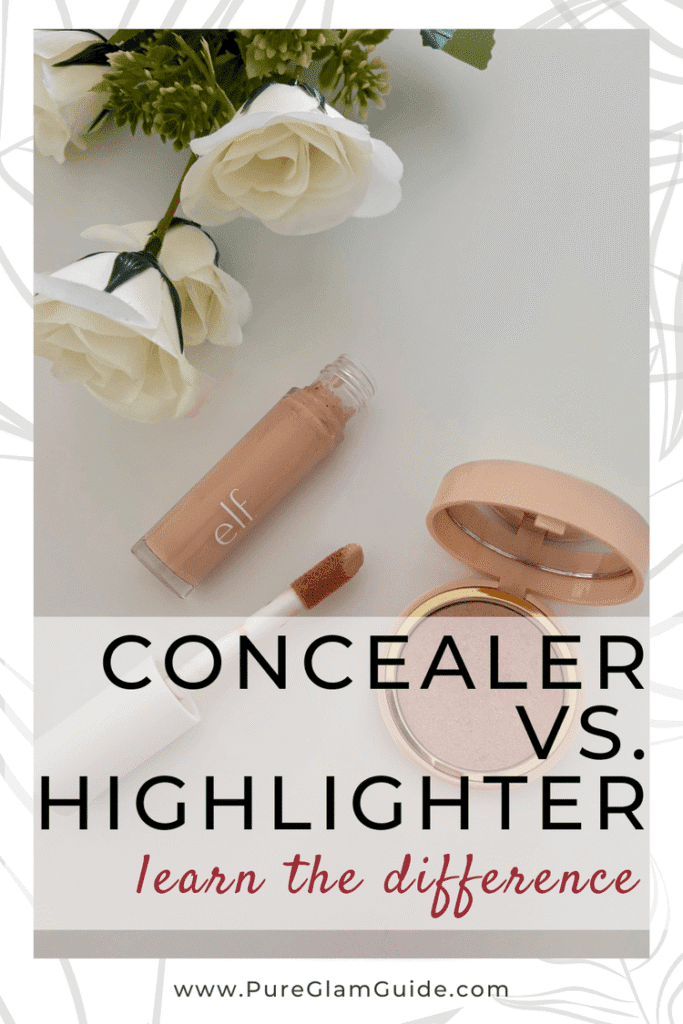
Concealer vs Highlighter: How to Know Which One to Use and When
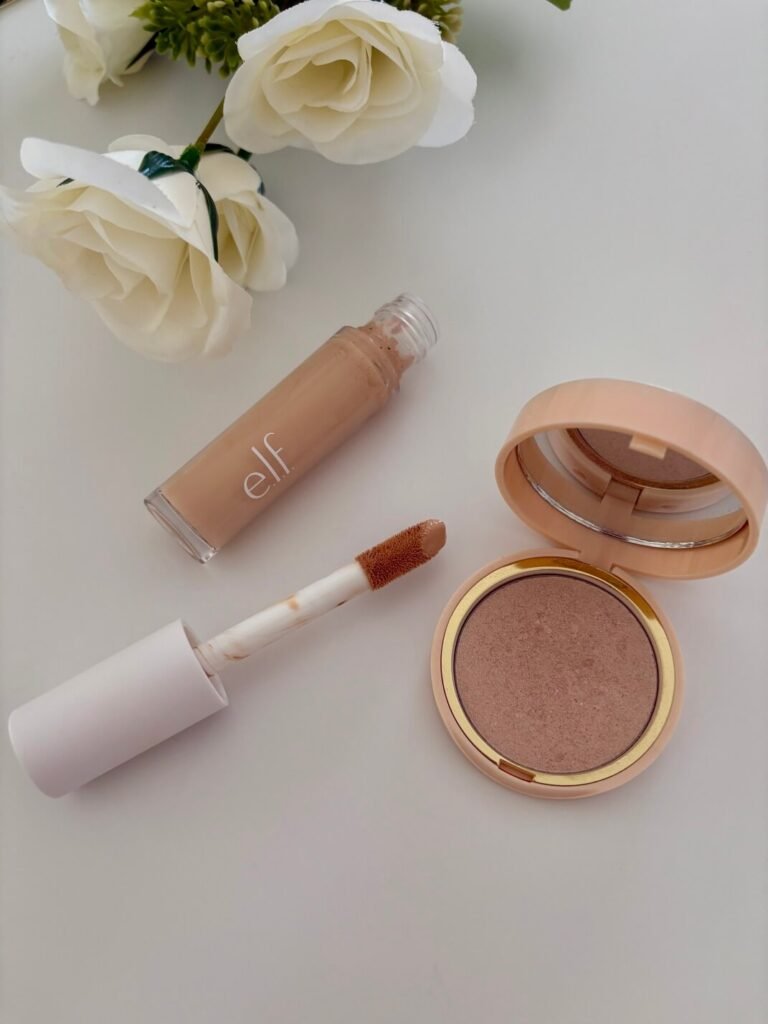
If you’ve ever stood in the makeup aisle holding both a concealer and a highlighter, wondering which one you actually need, you’re not alone.
I remember the first time I bought makeup beyond a basic foundation—it was confusing.
The packaging looked similar, the shades all seemed like they were just lighter or shinier versions of each other, and I had no idea where they fit into my makeup routine.
Over the years, I’ve learned that concealer and highlighter have totally different jobs, even if they both go on the face and seem to “brighten” in some way.
Let’s break it down together, so you’ll know exactly when to reach for each one, where to apply them, and how to use them for the best results—without feeling like you’re playing a guessing game.
What a Concealer Actually Does
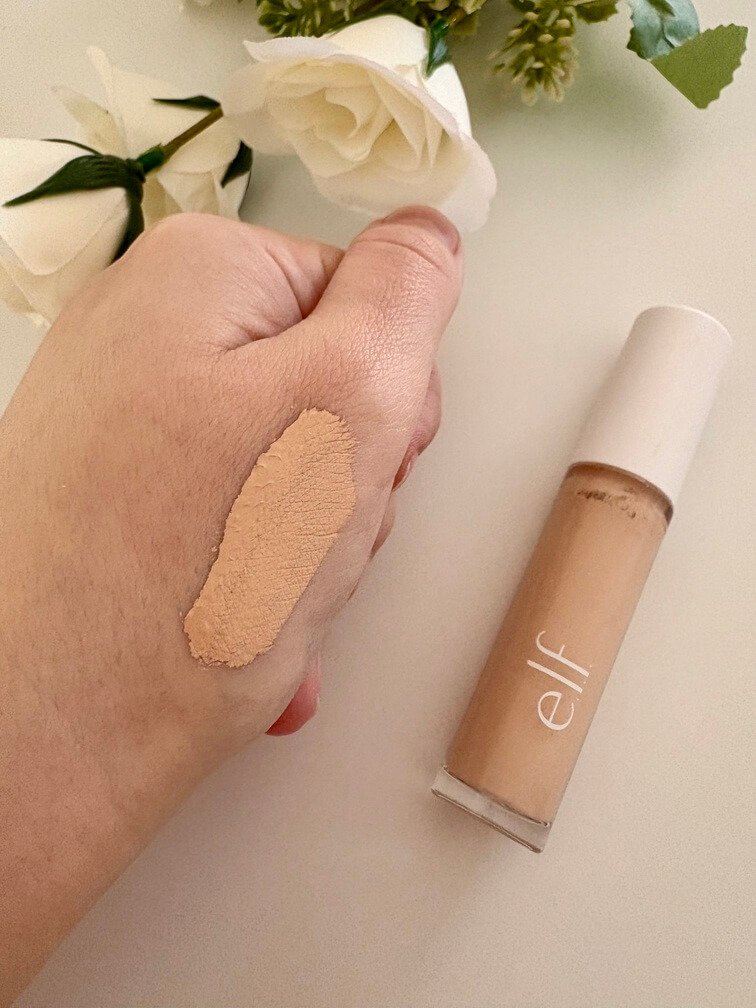
Think of concealer as your little problem-solver.
If foundation is your first step to even out your natural skin tone, concealer is there to target the areas that need a bit more help.
That might be dark circles under the eyes, age spots, or small blemishes that didn’t get covered the first time around.
I like to think of it as a “pinpoint” product. You can use a small amount on problematic areas, like dark spots or signs of fatigue, and get instant coverage.
For under-eye circles, you might even want to add a color corrector first. Peach or orange tones can help cancel out blue or purple shadows. Then you can layer concealer over the top for a natural-looking finish.
And here’s a tip: If you have dry skin or fine lines around your eye area, you’ll want to skip matte concealer formulas. A creamier texture will look more flattering and won’t emphasize wrinkles.
Also check out the concealer vs. primer difference for smooth makeup application.
What a Highlighter Actually Does
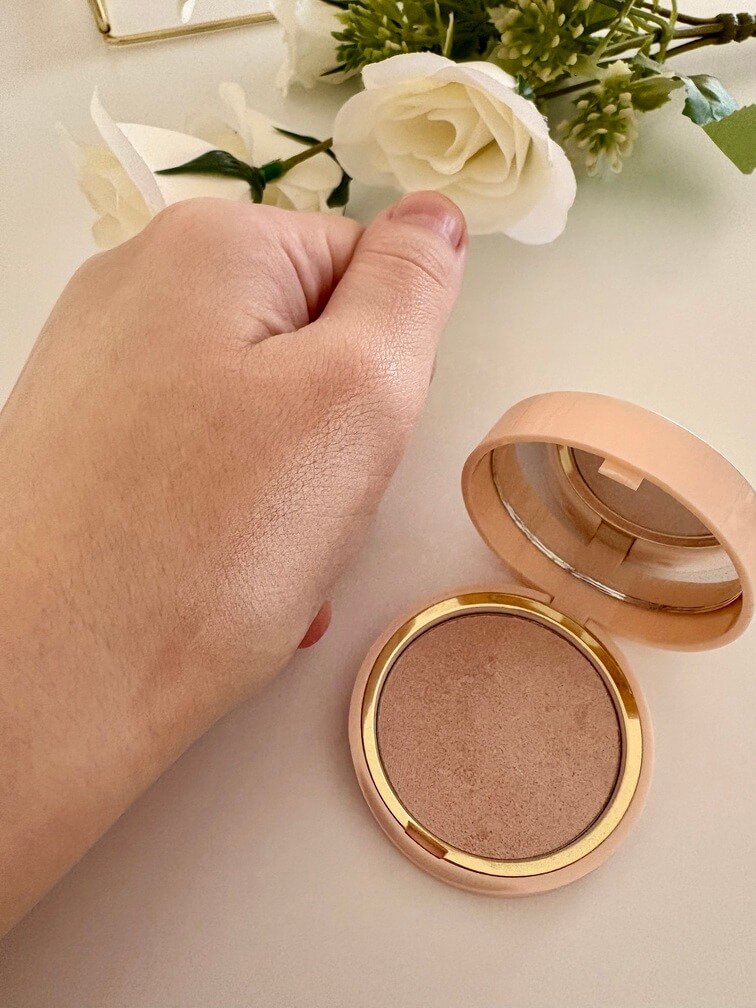
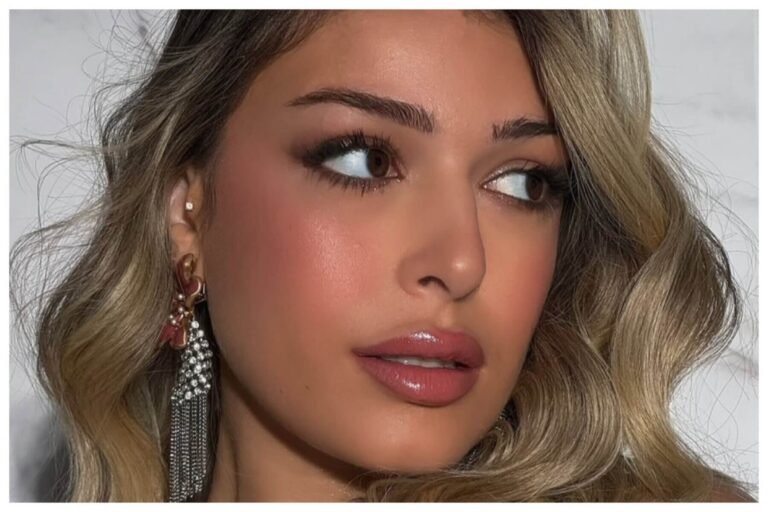
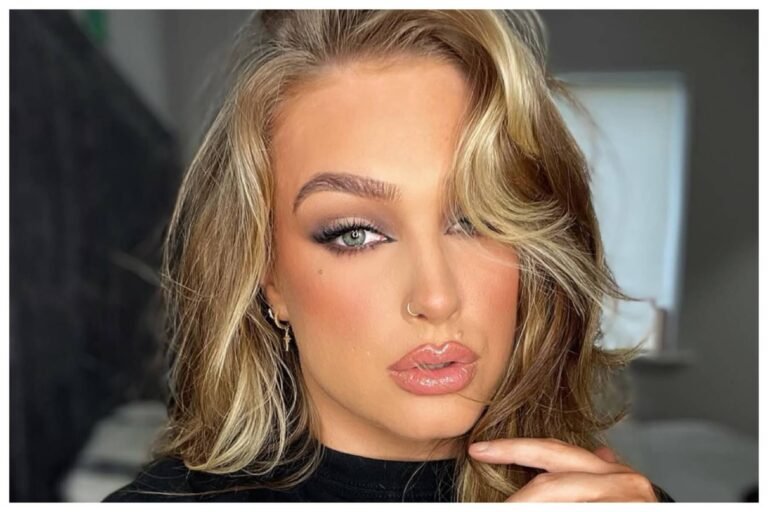
A highlighter is not here to cover anything; it’s here to enhance. Instead of hiding problem areas, it draws light to your best facial features.
That means the high points of your face, like the tops of your cheekbones, the bridge of the nose, your brow bones, the cupid’s bow, and sometimes the center of your forehead or chin.
When light hits these areas, it gives you that radiant, almost glowing effect. A highlighter product can come in powder, cream, liquid illuminators, or even a highlighter pencil.
I love cream or liquid formulas because they melt into the skin for a natural-looking coverage that blends easily.
Think of highlighter as an instant pick-me-up. Even on days when I’m skipping most of my makeup routine, adding just a dab on the high points of the face makes me look more awake.
Concealer vs Highlighter: The Main Differences
Here’s where it gets easier. If you’re unsure which to use, remember this:
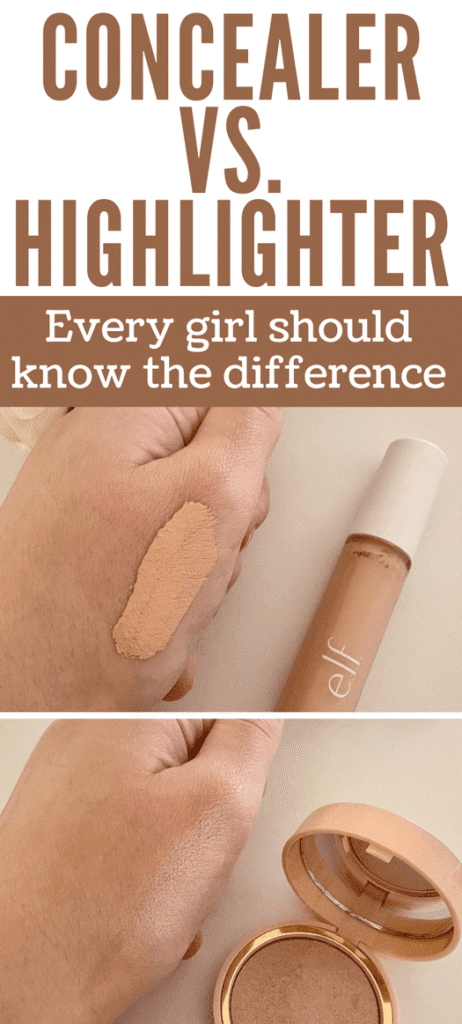
- Concealer: Targets problem areas like dark circles, dark spots, age spots, and redness on the sides of the nose or chin. It’s meant to match your natural skin tone or be a lighter shade for brightening.
- Highlighter: Enhances facial features by reflecting light. It’s not about coverage, it’s about glow.
You can use both in the same routine. Concealer hides what you don’t want to see, and highlighter draws attention to what you do.
Choosing the Right Concealer
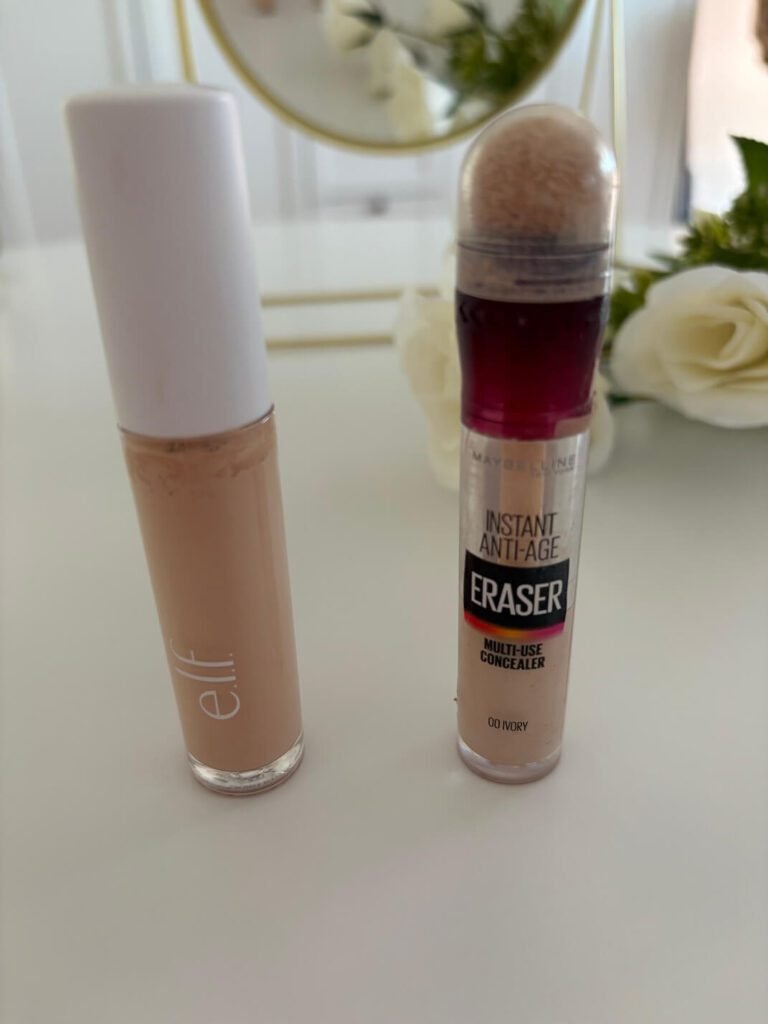
When you’re picking concealer shades, the right choice depends on where you’re applying it.
For covering blemishes or redness, go for a shade that matches your skin type and tone exactly for the most natural-looking coverage.
If you’re brightening under the eyes, go for a slightly lighter shade—just one or two steps down from your foundation shade. Any lighter and it might look unnatural.
Also, check the ingredients. If you have sensitive skin, look for concealers without harsh irritants and with gentle pigments like titanium dioxide or iron oxides.
A concealer brush can help apply it precisely to small areas of the face, but sometimes your fingertip works best to press the product into the skin without moving it around too much.
Choosing the Right Highlighter
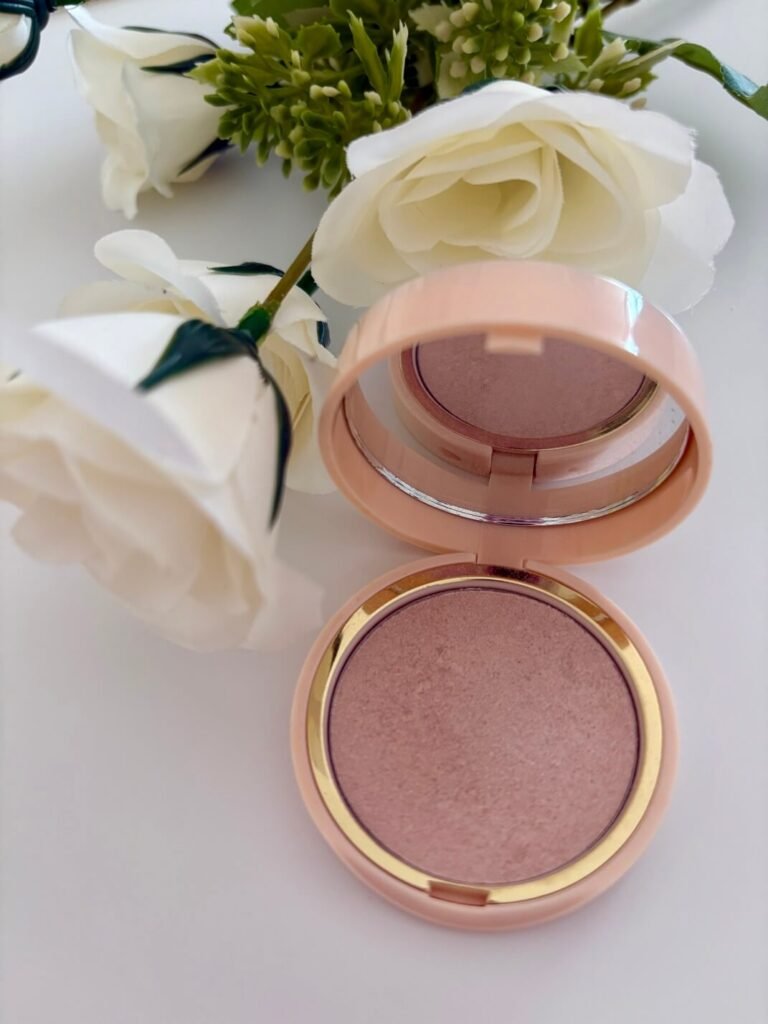
Picking a highlighter is more about the type of glow you want.
If you have dry skin, cream or liquid illuminators will give you a smoother result. Powder highlighters work well for oily skin or when you want something that sets more firmly.
The shade matters too. Champagne tones work on a variety of skin tones, while pinks look fresh on fair complexions and golds flatter deeper skin.
A highlighter pencil is perfect for quick touch-ups on areas of your face like the inner corners of your eyes or the cupid’s bow.
The goal here is to enhance without looking glittery—unless that’s your style.
How to Use Concealer in Your Makeup Routine
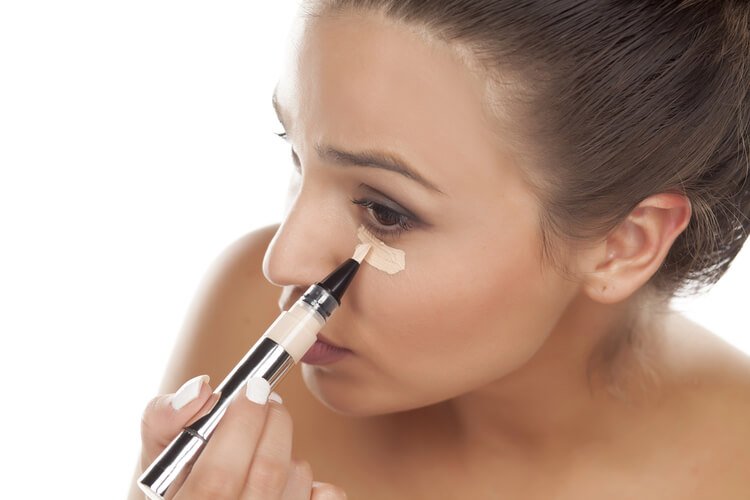
Here’s my go-to method for using concealer for the best results:
- First step – Apply your foundation so you can see which areas still need extra coverage.
- Apply sparingly – Use a small amount on problem areas like the sides of the nose, under the eyes, or the center of the chin.
- Blend carefully – A foundation brush works for larger areas, but for small spots, I tap it in with my finger.
- Set it – Use setting powder so it lasts all day, especially around the eye area where creasing can happen.
And remember, concealer can also work with contour products. While contour adds shadows, concealer can highlight without shimmer when you want a lifted effect.
How to Use Highlighter in Your Makeup Routine
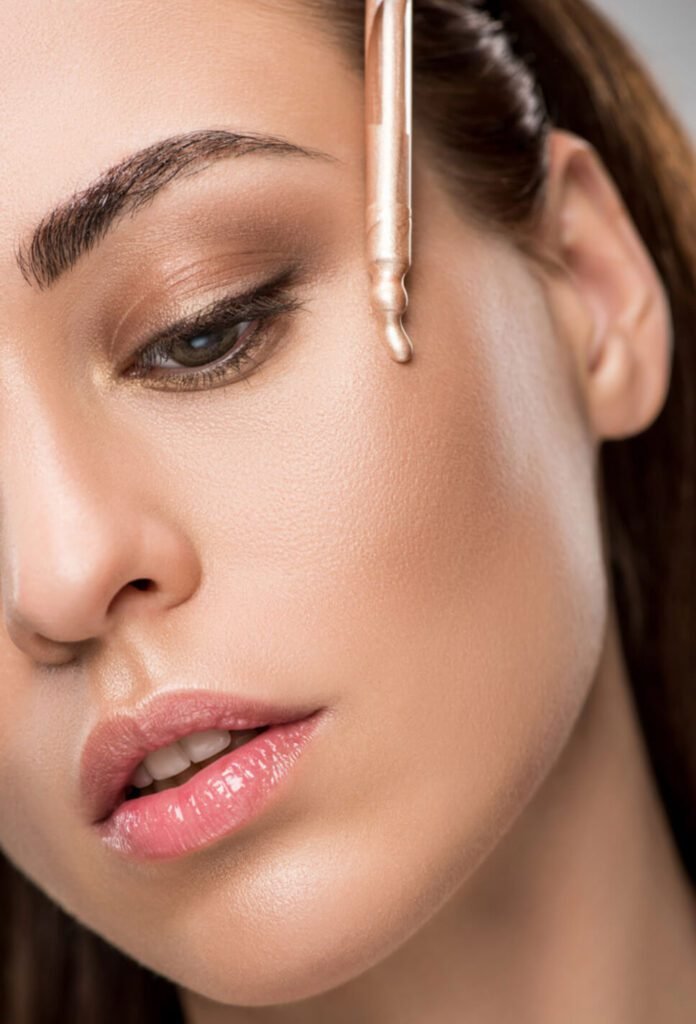
Highlighter is usually the last step before setting spray. Here’s how I like to apply it:
- Choose your formula – A powder is great for a defined glow, while cream or liquid illuminators give a softer look.
- Focus on the high points of your face – Apply to the tops of your cheekbones, bridge of the nose, center of your forehead, cupid’s bow, brow bones, and sometimes even the apples of your cheeks for a fresh look.
- Blend well – The key to a natural-looking finish is seamless blending, especially around the edges of the hairline or the center of the nose.
A highlighter can also make your inner corners of your eyes pop, which helps you look more awake.
Using Both for Maximum Impact
This is where the magic happens—using both products together. Start by covering your problem areas with concealer, blending it in for a natural skin tone.
Then, use your highlighter to enhance facial features you want to bring forward.
For example, I’ll use a highlighting concealer under my eyes to disguise eye bags and signs of fatigue, then dust a highlighter product over the tops of cheekbones and the bridge of the nose.
This combination makes my skin look even and bright without looking like I’ve caked on product.
Common Mistakes to Avoid
When you’re working with concealer and highlighter, it’s easy to overdo it. Here are a few pitfalls I’ve learned to watch out for:
- Too much product – A little goes a long way. Too much concealer can look heavy, and too much highlighter can make you look shiny instead of radiant.
- Wrong shade choice – The perfect shade makes all the difference. Too light with concealer can look ashy, and too cool or warm with highlighter can clash with your natural undertones.
- Not blending enough – Lines between your concealer, foundation, and highlighter will show. Blending is key for a natural-looking finish.
Tailoring Your Products to Your Skin Type
Your skin type matters when picking both concealer and highlighter.
- Dry skin: Cream concealer and cream or liquid highlighters work best.
- Oily skin: Matte concealer and powder highlighter give better staying power.
- Sensitive skin: Look for gentle formulas without too many fragrance additives, and check for skin-friendly pigments like titanium dioxide and iron oxides.
My Favorite Makeup Techniques for These Products
Here are some small tricks that have made a big difference for me.
Use a highlighting concealer on the center of your chin, center of your forehead, and under the eyes for a lifted look without shimmer.
Apply highlighter to the inner corners of your eyes and the cupid’s bow for a quick “awake” effect. It’s an instant pick-me-up.
Layer concealer over a color corrector for stubborn dark circles so I don’t have to pile on too much product.
Final Thoughts
At the end of the day, using concealer vs highlighter isn’t about which is “better.” It’s a matter of preference and purpose.
Concealer is for covering, highlighter is for enhancing. Both can be amazing products in your makeup routine when you know how to use them.
So the next time you’re getting ready, think about what you want to achieve: do you want to hide problem areas, or do you want to draw light to certain areas of the face?
Sometimes, you might want both. Just remember: a small amount, blended well, on the right areas of your face will always give you the best results.
Check out more helpful makeup tips:
- Bronzer vs Highlighter: A Complete Guide to Mastering These Makeup Essentials
- Lipstick vs Lip Gloss: What’s the Difference and What Should You Choose?
- Charlotte Tilbury Airbrush Bronzer Review: The Best Matte Bronzer for Natural Warmth?