How to Be Confident With Acne When It Feels Like Your Skin Controls Your Life
I’ve lived with acne for most of my life.
I started breaking out in my early teenage days, and instead of getting better with time, it stayed. It followed me through school, through my twenties, and well into adulthood.
I didn’t finally get my acne under control until I was 30. Even now, I still break out occasionally. That’s something I want to be very honest about.
This isn’t a “before and after” story with a perfect ending. It’s a story about learning how to live, function, and build confidence with acne.
For many years, my acne was severe. I’m talking about severe acne that left my face red, inflamed, and painful.

At its worst, it looked like my entire facial appearance was affected. I dealt with cystic acne, huge pimples that hurt to touch, and persistent breakouts that made it feel like my skin never had a break.
This lasted for many, many years. Acne wasn’t just something on my face. It impacted my mental health, my emotional health, my social life, and my overall quality of life.
If you’re reading this, chances are you’re struggling with acne too. Maybe you’re dealing with acne-prone skin, adult acne, or a type of acne that just doesn’t seem to respond to anything.
Maybe acne is affecting how you feel about your physical appearance, how comfortable you feel in social situations, or how willing you are to show your bare skin.
I want you to know you’re not alone — and more importantly, confidence is possible, even while your skin is still healing.
Why Acne Affects Confidence So Deeply
Acne is often dismissed as a cosmetic issue, but it’s far more complex than that.
Acne vulgaris is a common skin condition and a recognized skin disease, yet its emotional impact is still underestimated.
Acne comes with visible physical symptoms, but it also carries invisible weight: shame, anxiety, and constant self-monitoring.
For me, acne created years of low self-esteem. I became hyper-aware of my facial appearance in every interaction. I worried about lighting, angles, and how close people stood to me.
I felt exposed in social environments, even among close friends. Acne affected how I spoke, how I laughed, and how much space I allowed myself to take up.
Research published in the British Journal of Dermatology shows that acne is linked to emotional distress, social phobia, and a reduced quality of life across the general population.
This isn’t rare. Acne affects the majority of people at some point, across people of all ages.
Understanding this was the first step toward self-compassion. Acne wasn’t a personal failure. It was a medical condition with psychological consequences.
Step One: Redefine What Confidence With Acne Really Means

One of the biggest mistakes I made early on was believing that confidence would magically appear once I had clear skin.
I put my entire life on hold, waiting for my skin to “behave.” I avoided experiences, social opportunities, and even joy, all because I thought confidence required perfect skin.
Over time, I realized something important: confidence with acne doesn’t mean loving your skin every day. It doesn’t mean pretending acne doesn’t bother you. Confidence means continuing to live your life even when acne is present.
Confidence is going to dinner with friends despite a breakout.
Confidence is speaking up in meetings even when your skin feels inflamed.
Confidence is allowing yourself to be seen, even on bad days.
This shift alone made a significant difference in my mindset. I stopped waiting for flawless skin and started working toward a more positive outlook rooted in self-acceptance.
Step Two: Separate Your Worth From Your Skin
For years, I let acne define how I felt about myself.
The appearance of acne became the loudest thing in my mind. It overshadowed my personality, my abilities, and my good qualities. I forgot that I was more than my skin.
Learning to separate my worth from my physical appearance was uncomfortable, but necessary.
Acne affects the face, which makes it feel deeply personal. But acne does not erase intelligence, kindness, creativity, or strength.
One thing that helped was reminding myself daily that my value existed independently of my skin.
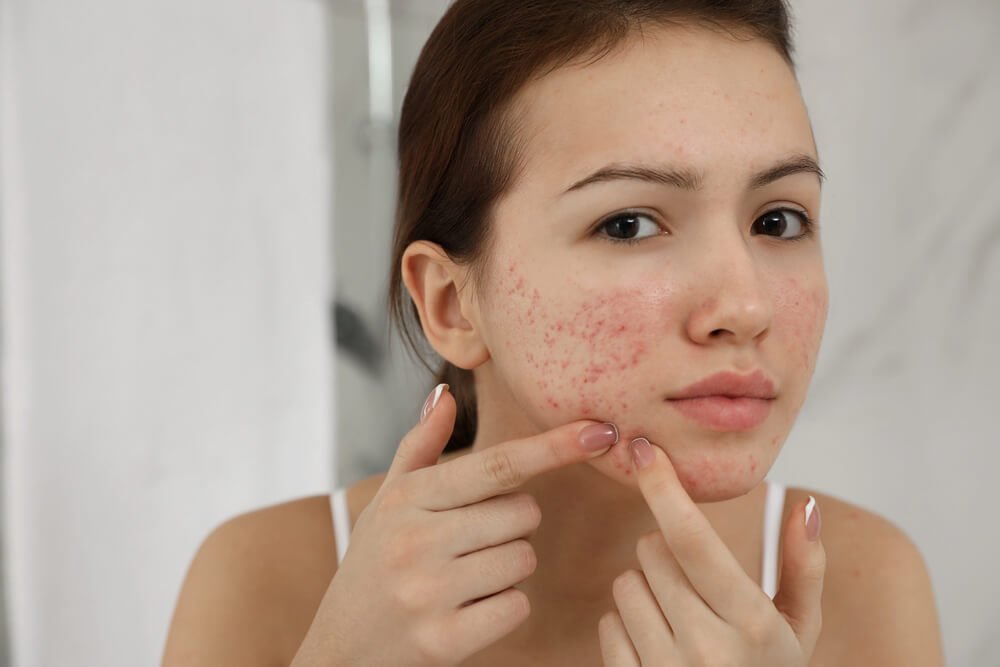
On days when my confidence felt low, I intentionally focused on qualities unrelated to appearance. This practice slowly rebuilt my self-image and improved my emotional health.
Confidence grew when I stopped measuring my worth through mirrors and reflections.
Step Three: Build a Skincare Routine That Supports Confidence, Not Obsession
For a long time, my daily routine revolved around trying to “fix” my skin. I over-cleansed, over-treated, and constantly changed products. This only worsened my sensitive skin and increased irritation.
Things began to improve when I shifted my mindset. Instead of attacking my skin, I focused on supporting it.
A consistent skincare routine built around my skin type and skin’s needs helped calm inflammation and reduced breakouts over time.
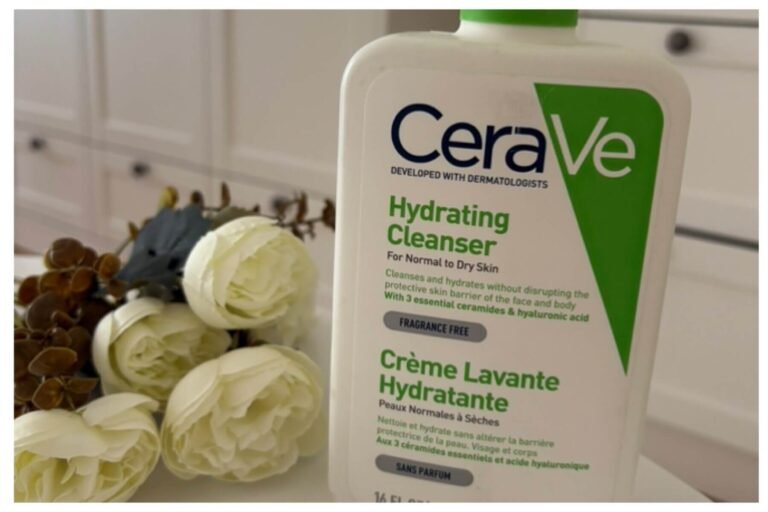
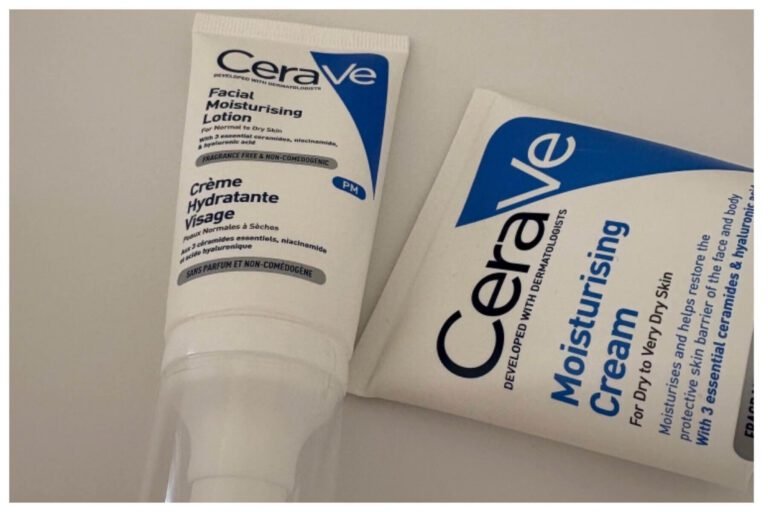
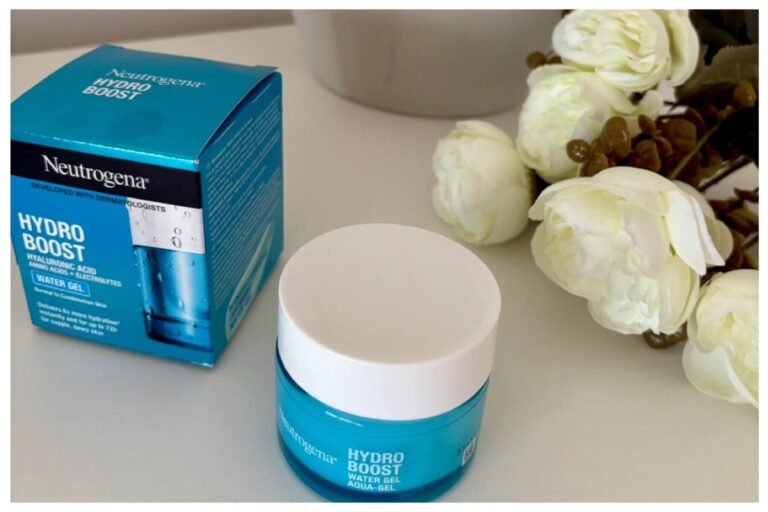
Using the right skincare products, including a gentle face wash, targeted ingredients like salicylic acid or benzoyl peroxide, and a non-irritating moisturizer, made my skin more stable.
This approach didn’t create flawless skin, but it did create calmer, smoother skin, which helped me feel more confident going out with bare skin.
Step Four: Get Professional Help Without Shame
I went to many dermatologists over the years. Some helped a little. Others didn’t listen. It took time to find the right medical provider, but when I did, everything changed.
Working with board-certified dermatologists allowed me to receive proper medical treatment based on my specific type of acne.
My dermatologist created a long-term treatment plan that included prescription medications, occasional oral medication, and in-office options like chemical peel when appropriate.
This wasn’t about chasing trends or quick fixes. It was about evidence-based care supported by medical experts.
Acne is a treatable condition, and professional acne treatment can dramatically reduce longer acne cycles.
The American Academy of Dermatology consistently emphasizes that early intervention and professional guidance can prevent worsening symptoms and long-term scarring.
Seeking help was the best thing I did for my skin and my confidence.
Step Five: Learn to Navigate Social Situations With Acne (This Takes Practice)
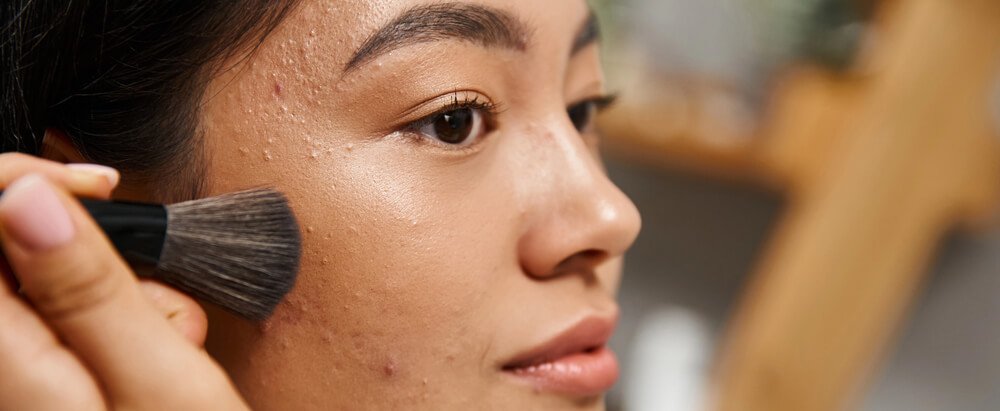
Social confidence was one of my biggest challenges. Acne made every interaction feel high-stakes.
I worried people were staring. I replayed conversations in my head, convinced my skin distracted from everything I said.
Choosing Comfort Over Control
For a long time, I tried to control how others perceived me. I checked mirrors constantly.
I adjusted my posture, hair, and lighting. This created more anxiety and increased emotional distress.
Choosing comfort over control meant letting go of constant self-monitoring. I stopped checking reflective surfaces. I focused on conversations instead of my reflection.
This reduced mental exhaustion and helped me feel more present in social interactions.
Showing Up Even When It Feels Hard
Confidence grew when I stopped canceling plans due to acne. Avoidance strengthened fear. Showing up weakened it.
Each time I attended a social event, despite feeling insecure, I proved to myself that acne didn’t have to control my social life.
Letting People Be Human
Most people are focused on their own insecurities. Remembering this helped reduce fear in social situations.
Acne feels huge to us, but to others, it’s often a small detail.
Over time, these practices helped me feel less self-conscious and more grounded in social environments.
Step Six: Manage the Emotional Rollercoaster of Acne
Living with acne often feels like an emotional rollercoaster.
One clear morning brings hope. One breakout brings despair. This cycle can take a serious toll on mental health.
What helped was accepting that healing isn’t linear. Acne improves, flares, and improves again. This doesn’t mean treatment is failing. It means skin is complex.
Managing emotions involved practicing self-compassion on bad days, acknowledging frustration without self-blame, and reminding myself that progress exists even when it’s not immediately visible.
This approach softened the psychological effects of acne and reduced the sense of crisis around every breakout.
Step Seven: Rebuild Your Relationship With Social Media
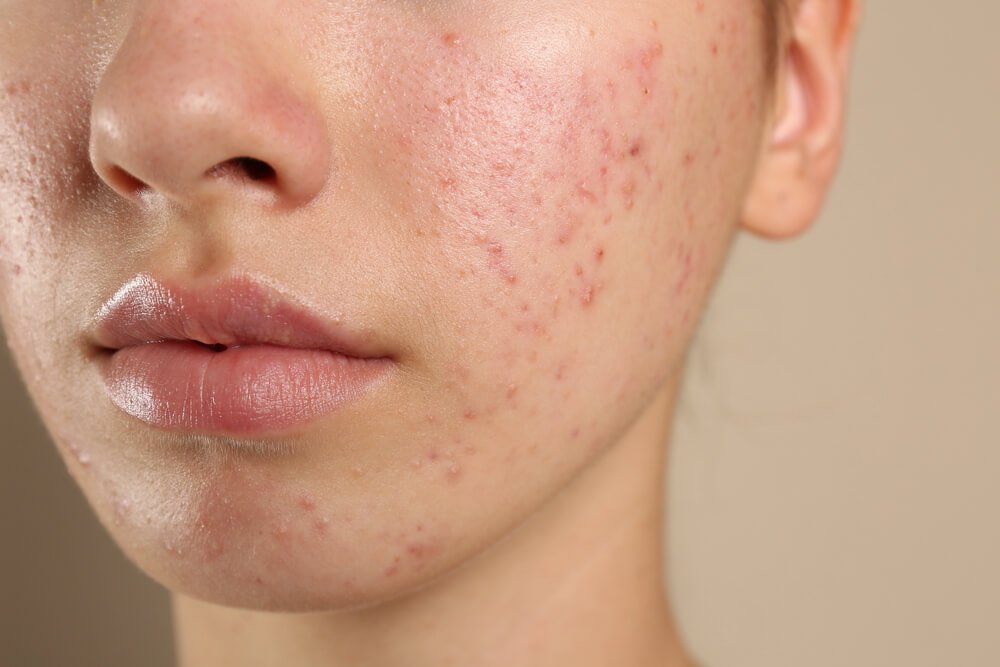
Social media played a major role in worsening my confidence. Filtered faces and unrealistic standards distorted my perception of normal skin.
I had to intentionally change how I used social platforms.
I followed creators who showed real skin. I unfollowed accounts that triggered comparison. This protected my emotional health and allowed me to see acne as normal, not shameful.
This shift alone improved my self-image and supported a more balanced, positive outlook.
Step Eight: Create Daily Habits That Support Confidence
Confidence with acne is built through daily actions. Small, consistent choices matter.
Helpful habits included:
- Following an effective skincare routine
- Avoiding picking or touching acne
- Managing stress through rest and boundaries
- Being gentle with myself emotionally
These habits supported both healthy skin and emotional stability.
Step Nine: Accept That Breakouts Will Still Happen
Even after effective treatment, I still get breakouts. I still experience the occasional huge pimple. Confidence doesn’t mean acne disappears forever.
Accepting this reality helped me detach my self-worth from temporary flare-ups. Acne no longer determines whether I allow myself joy, connection, or presence.
Final Words From Me to You
Acne shaped my life in difficult ways, but it also taught me resilience. It forced me to build confidence from the inside out. If you’re struggling, please remember this:
You don’t need clear skin to be worthy.
You don’t need flawless skin to be confident.
You are enough, exactly as you are, in your own skin.